
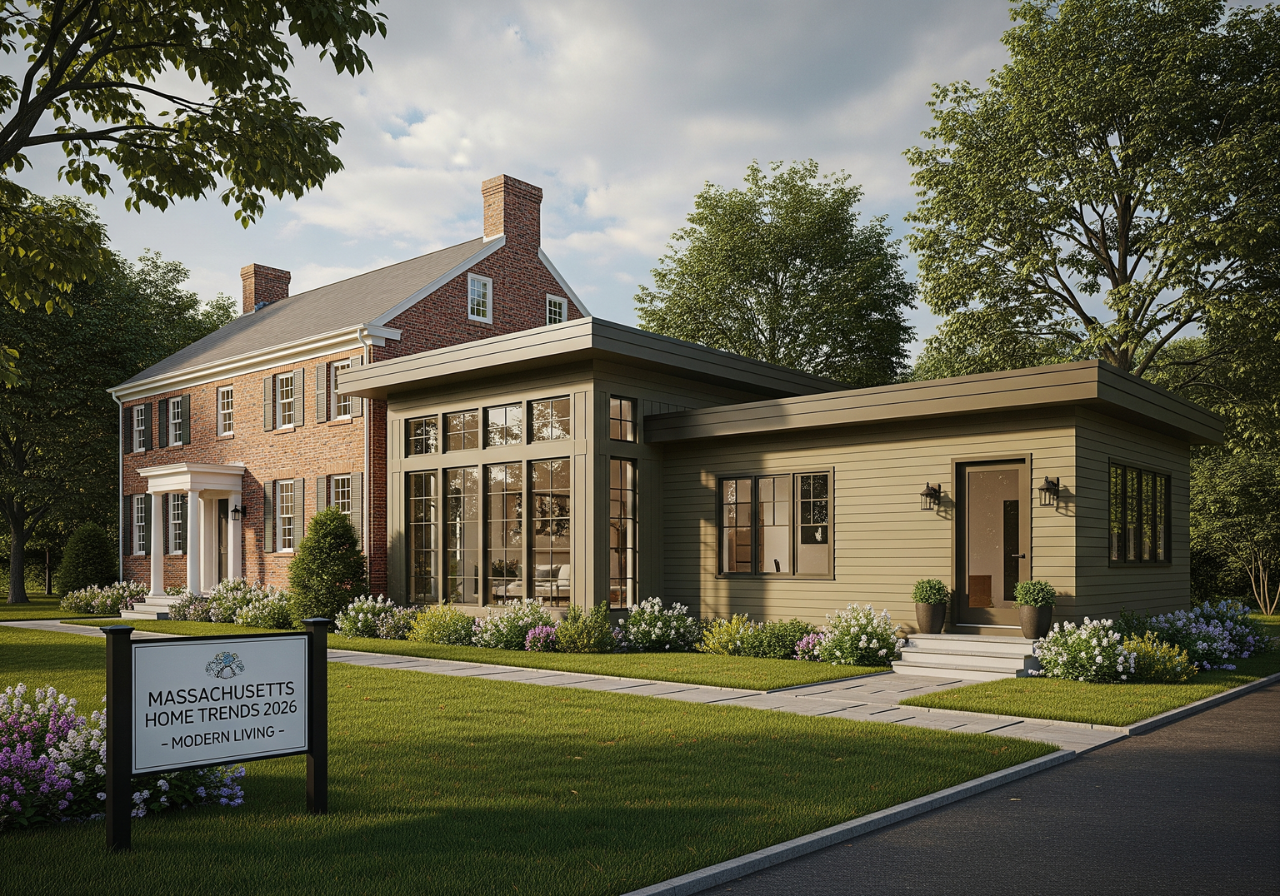
Your home is one of your most significant investments. If you're in a house that feels too small or doesn't look the way you want it to, you have likely considered expanding. The real question is which additions make sense for 2026. We work with homeowners across Massachusetts every day. They come to us with different visions, different budgets, and different needs. But they all have one thing in common. They want to know what's worth their money and what's just hype. That's why we put together this guide on the top trends shaping home additions Massachusetts right now.
In this guide, we will walk you through Massachusetts home expansion ideas for 2026 to enhance your home's appearance and increase ROI.
What Home Addition Ideas Are Massachusetts Homeowners Choosing?
When we talk to homeowners about home addition ideas Massachusetts, most of them do not realize which home addition is worth it. Some want more bedrooms. Others need a bigger kitchen. Many families are adding home office space now. Energy costs in Massachusetts are real. Winters are brutal. So when someone builds a second story addition Massachusetts or expands their home, they're asking about insulation, heat pumps, and energy efficiency right from the start.
Here's what homeowners are prioritizing:
- New additions that lower energy bills and stay comfortable through New England winters
- Spaces that work for how people actually live, not how magazines say they should live
- Materials that hold up to Massachusetts weather without constant maintenance
- Designs that fit with the neighborhood and don't stick out like a new addition
Trend 1: Heat Pumps and Smart Energy Systems
Cold climate heat pumps have become the standard. We used to get questions about furnaces and traditional heating. A second story addition Massachusetts needs the same energy performance as the ground floor. That means proper insulation, quality windows, and heating systems that work in sub-zero temperatures.
What this looks like in practice:
- Cold climate heat pumps rated for Massachusetts winters
- Triple-pane windows with proper thermal breaks
- Continuous insulation throughout the addition with no gaps
Trend 2: Open Kitchens with Multiple Work Zones
Kitchen additions are still the most popular home addition ideas Massachusetts families pursue. But the design has shifted. Instead of one long counter, we are seeing multiple islands. Instead of a single work surface, we are designing different zones for different tasks. Natural stone counters instead of laminate. Real wood cabinetry instead of particle board. These materials cost slightly more, but they last for decades.
Materials homeowners are choosing:
- Natural stone slabs for counters and backsplashes
- Solid wood cabinetry built to last
- Multiple islands and work zones for different kitchen tasks
Trend 3: Primary Bedrooms on the First Floor
Aging in place used to mean accepting less stylish spaces. That's completely changed. When homeowners add a first-floor primary suite, they are not settling for utilitarian design. People are building spa-like bedrooms with statement bathrooms and soaking tubs that are actually used rather than gathering dust. Walk-in closets with proper lighting. These spaces look and feel luxurious. They just happen to be accessible from ground level.
What we are building:
- Primary suites on the first floor with spa-quality bathrooms
- Zero threshold showers are designed to look beautiful
- Walk-in closets with integrated lighting and organization
Trend 4: Basement Renovations for Year-Round Living
People are now using basement spaces for real living, such as home gyms and home offices. Gaming rooms for their children to play games comfortably. Guest suites for when family visits. Some homeowners are even adding small kitchenettes to finished basements. Finished basement addition Massachusetts also avoids the permitting headaches that bigger additions create. You are not changing the house's footprint. You are not adding stories. So the process moves faster and costs less than other types of additions.
Basement additions typically include:
- Proper insulation and moisture barriers
- Dehumidification systems for long-term health
- Multiple uses from fitness to home office to guest space
Trend 5: Second Story Additions for Growing Families
A second story addition Massachusetts is the most exciting expansion you can do without buying a new house. You keep your location, your neighborhood, your community. You just add the bedrooms and bathrooms your growing family needs. Structural work is needed on second story additions. You might need foundation reinforcement. The original structure might need bracing during construction. This is why you hire experienced contractors who understand building architecture.
What makes a good second story addition:
- Matching materials and architectural details with the original house
- Proper structural engineering and foundation support
- Design that looks intentional, not like it was added as an afterthought
Trend 6: Outdoor Living Spaces That Work Twelve Months
Outdoor decks were once the standard addition. We are now seeing three-season rooms and covered patios that people use year-round. These aren't simple structures. They're insulated, heated, and weatherproof. People are taking advantage of deck installation to extend living space beyond the four walls of the house.
Home addition ideas Massachusetts in this category also tend to age well. A properly built outdoor addition adds square footage without the permitting complexity of interior additions.
Outdoor additions we're seeing:
- Three-season rooms with insulation and heating
- Composite decking rated for freeze-thaw cycles
- Covered structures with quality roofing and drainage
Trend 7: Mudrooms and Hidden Storage Solutions
This trend matters because it's practical. Nobody's home actually looks like a design magazine. Building storage for real life solves the problem. Families with kids, pets, and outdoor gear need storage space. Massachusetts homes tend to be older. They don't have closets. Families are solving this by adding dedicated storage spaces during home additions Massachusetts projects. A mudroom addition keeps coats, boots, and equipment out of sight.
Storage solutions we're adding:
- Custom mudrooms with closed cabinetry for seasonal gear
- Kitchen pantries that close and hide groceries
- Under-stair storage and wall closets
Trend 8: Accessible Design That Looks Beautiful
Aging in place has changed completely. It's no longer about utilitarian ramps and grab bars. Now accessible design is just good design that works for everyone. Slip-resistant flooring can be beautiful wood-look tile instead of industrial rubber. Lighting that improves visibility makes spaces feel more inviting. Counters at different heights work for everyone, from children to people with varying mobility levels.
This is smart home addition ideas Massachusetts thinking. Building with flexibility means your addition works for more people. It's not about charity. It's about good design.
Accessible design that works:
- Wide doorways that feel spacious, not adapted
- Zero threshold showers with beautiful finishes
- Flexible counter heights and lighting for different needs
Trend 9: Flexible Spaces Instead of Single-Purpose Rooms
The era of one room equals one use is ending. Home office spaces that convert to guest bedrooms. Library nooks that work as reading rooms or meditation spaces. This matters for massachusetts home expansion ideas 2026 because families change. A space designed for one use only becomes dead space when life changes.
The best home addition companies Massachusetts understand this. They build spaces that adapt rather than ones locked into a single purpose. It means thinking about what a room needs to support rather than decorating a predetermined idea.
Flexible design includes:
- Pocket sliding doors that open and close rooms as needed
- Built-in furniture that works for multiple purposes
- Spaces are designed for different activities on different days
Trend 10: Natural Materials and Warm Colors
White walls and gray everything feel cold now. We are seeing a fundamental shift back to warm colors that feel earthy and lived in. Olive green, warm sand, soft clay, and natural browns are replacing the cool gray palette that dominated design. These colors feel calming. They look good with natural light.
This matters for home additions Massachusetts because these materials work with our climate. They're choices that deepen and improve over the years.
Natural choices we're seeing:
- Real wood elements that age and deepen over time
- Natural stone counters and flooring
- Warm earth tone colors instead of cool grays
Final Thoughts
Your home is your biggest investment. Getting home additions Massachusetts right matters. The trends we covered solve real problems. They lower energy bills and improve daily life. The difference between a successful addition and a regrettable one comes down to planning and who you hire. You need contractors who listen, who pay attention to detail, and who build additions that feel as if they've always been there.
At 3D Home Improvements, we specialize in turning home addition ideas in Massachusetts into reality. We have completed thousands of projects across Massachusetts and understand what adds value.
Ready to explore what's possible for your home? Contact 3D Home Improvements today for a free consultation on your home additions project in Massachusetts. Let's build something that matters.
FAQs
How Much Does a Finished Basement Addition Cost Massachusetts?
Most finished basement projects run between $50 $150 per square foot, depending on finishes and mechanical systems. A 600-square-foot basement might cost between $30,000 and $90,000. This is usually less expensive than building outward or upward.
What's the Timeline For a Second-story Addition Massachusetts?
A second-story addition typically takes 4 to 6 months from permit approval to completion. Structural work and permitting can extend this. Weather delays are common in Massachusetts winters.
Do I Need Permits For Home Additions Massachusetts?
Yes. Any addition requires building permits and electrical permits. Plumbing permits if you're adding bathrooms. Many towns also require zoning approval. Budget 6 to 8 weeks for the permit process.
Which Home Addition Ideas Massachusetts Add the Most Value?
Kitchen additions and primary suite additions return the most value. These typically recoup 60 to 80 percent of costs at resale. Bathrooms return about 50-70 percent.
How Do I Find the Best Home Addition Companies Massachusetts?
Ask for referrals from friends and neighbors. Carefully review online reviews and interview multiple contractors. Ask to see completed projects. Talk to homeowners whose homes they've added to.